
 Lip
 Base Makeup
 Face Makeup
 Eye Makeup
 Makeup Removers
 Body Care
 New Formulations
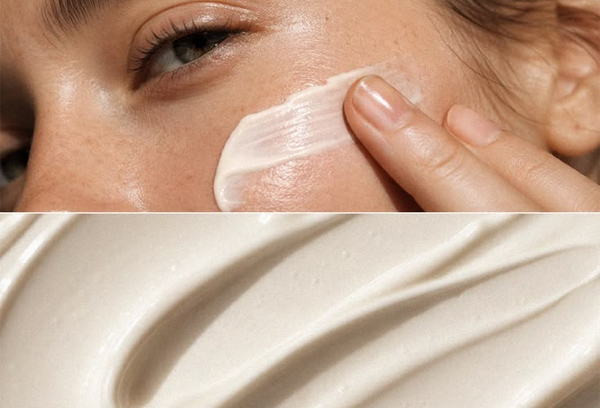
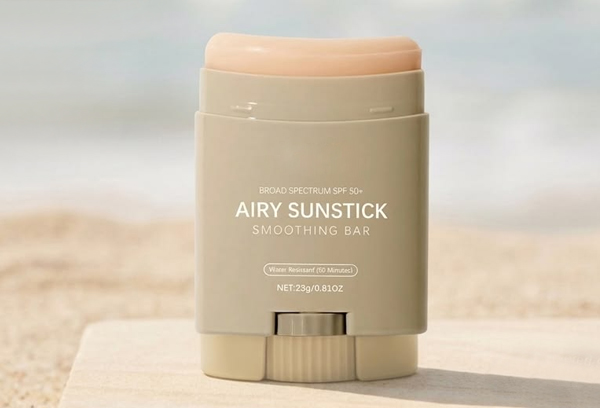
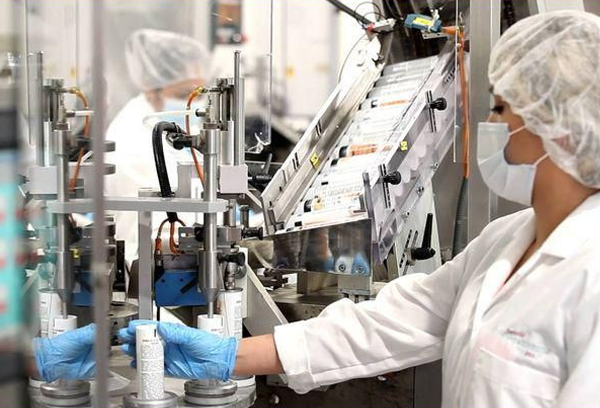
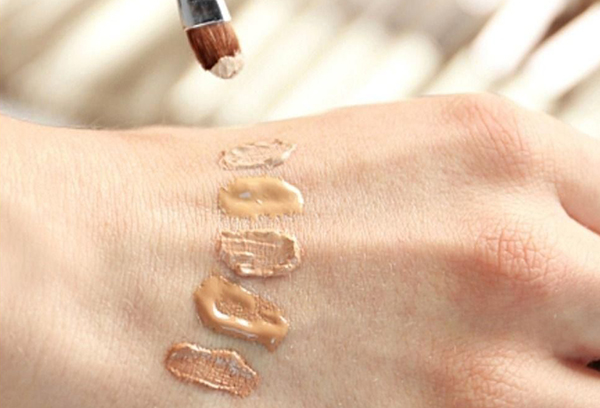

Cosmetic Sensory Modifiers: The Hidden Ingredients Behind Premium Skincare Texture
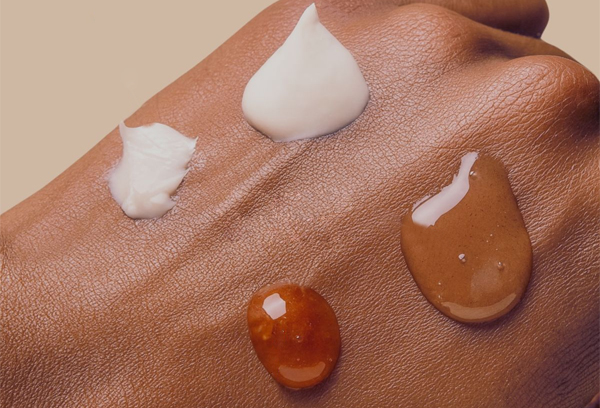
When consumers describe a skincare product as "lightweight," "silky," "non-greasy," or "fast-absorbing," they are actually talking about one of the most important yet least understood aspects of formulation science: sensory performance.
While active ingredients often receive the spotlight, they are not always responsible for the first impression a product makes. In reality, that instant feeling when a cream glides across the skin or a serum disappears effortlessly is largely controlled by a specialized group of ingredients known as sensory modifiers.
For cosmetic brands, sensory experience can be the difference between a product that is loved and repurchased, and one that is abandoned after a few uses.
In cosmetic formulation, sensory feel refers to the overall experience consumers perceive when applying and wearing a product.
A well-designed sensory profile often leads consumers to say:
"It feels luxurious on the skin."
"It's moisturizing but not greasy."
"My skin feels soft and smooth afterward."
These perceptions strongly influence purchasing decisions, product reviews, and brand loyalty.
Sensory modifiers are functional cosmetic ingredients specifically designed to adjust and optimize the tactile experience of skincare, makeup, and personal care products.
Although they do not typically provide the product's primary benefits—such as anti-aging, brightening, or hydration—they significantly influence how consumers perceive those benefits.
Consumer research consistently shows that product texture strongly impacts purchasing behavior.
Pleasant textures encourage regular use and improve overall product perception.
Consumers often comment on texture before discussing long-term efficacy.
Products that feel enjoyable are more likely to become daily-use essentials.
Luxury brands differentiate through sensory excellence rather than just actives.
Silicones remain some of the most widely used sensory-enhancing ingredients in the beauty industry.
- Cyclopentasiloxane
- Dimethicone
- Dimethiconol
- Silicone Elastomers
- Exceptional slip and glide
- Lightweight feel
- Reduced tackiness
Typical Applications: Serums, Primers, Sunscreens, Lightweight moisturizers, Makeup products.
Esters are widely used as alternatives to heavier oils and, increasingly, as substitutes for silicones.
- Isononyl Isononanoate
- Caprylic/Capric Triglyceride
- C12-15 Alkyl Benzoate
- Lightweight emolliency
- Skin compatibility
- Reduced greasy feel
Typical Applications: Facial oils, Moisturizers, Sunscreens, Clean beauty formulations.
Powder ingredients are commonly used to create dry-touch and matte effects.
- Silica, Nylon Powders
- Boron Nitride
- PMMA Microspheres
- Oil absorption
- Soft-focus effect
- Matte finish
Typical Applications: Oil-control products, Primers, Foundations, Sunscreens.
Structural modifiers influence not only skin feel but also the product's internal architecture.
- Gelling Agents
- Polymer Networks
- Rheology Modifiers
- Richer texture
- Cushion-like feel
- Enhanced creaminess
Typical Applications: Sleeping masks, Rich creams, Anti-aging products, "Cloud cream" textures.
Many highly effective cosmetic actives come with sensory challenges. Modifiers help minimize these drawbacks:
| Active Ingredient | Common Sensory Issue |
|---|---|
| Retinol | Dryness |
| AHAs/BHAs | Irritation |
| Vitamin C | Stickiness |
| High MW Hyaluronic Acid | Tackiness |
| Niacinamide | Powdery after-feel |
Naturally derived esters and plant-based sensory ingredients are gaining popularity due to clean beauty trends, offering improved biodegradability and renewable sourcing.
Advanced delivery technologies enable dynamic transformations like temperature-responsive textures and moisture-triggered release systems.
Modern formulators seek ingredients that provide both sensory and functional benefits, such as improving texture while delivering antioxidant protection.
In today's beauty market, consumers often evaluate a product within seconds of application. Before they notice brighter skin or fewer wrinkles, they experience the spread, the absorption, and the finish.